
The Real Cost of Delaying Cybersecurity Support: Infrastructure Refresh
Work involving cybersecurity support becomes easier to manage when business leaders and IT owners can connect day-to-day symptoms to an operating choice. The title of this article points to Infrastructure Refresh; the useful answer is a sequence of checks, trade-offs, and ownership decisions. The goal is a plan that fits a lean IT team balancing security work with daily operations, without promising a result that has not been measured.
A short vendor checklist cannot explain every dependency behind cybersecurity support. business leaders and IT owners need context: what is changing, which users feel it first, and what evidence would justify the next step. This article focuses on Infrastructure Refresh, then shows how to move from a concern to a reviewable plan.
Start with the operating problem
Questions to ask
For infrastructure risk, describe the symptom in plain language, then name the business activity it interrupts. A delayed login, an unstable call, a missed backup, or a slow application is evidence; it is not yet a diagnosis.
Write down when the issue appears, which users are affected, and what workaround people have adopted. That record gives business leaders and IT owners a shared starting point.
Record what remains unknown
The first infrastructure risk check compares frequency with consequence. One incident may be annoying while a smaller recurring fault may consume more staff time over a month.
Review existing tickets, device notes, network diagrams, recovery logs, or supplier records where they exist. Do not invent a baseline; mark unknowns and assign someone to confirm them.
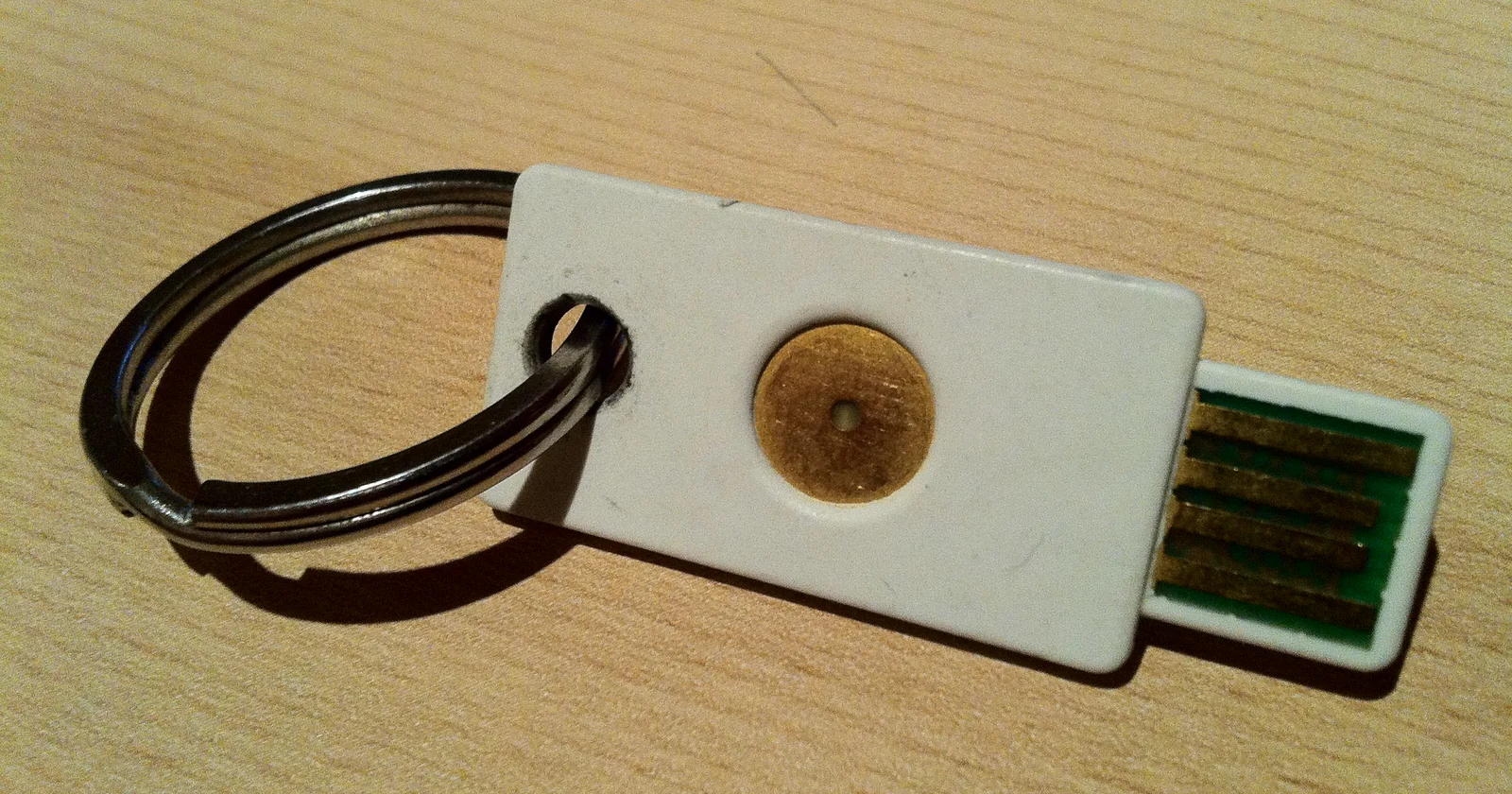 Photo: Dennis / CC BY-SA 3.0. Cropped and resized.
Map dependencies before choosing a fix
A practical checkpoint
The visible symptom often sits at the edge of a larger chain. A useful service plan accounts for people, permissions, equipment, connectivity, and the applications that make the service useful.
Its operating notes should explain how teams reduce avoidable exposure across identities, endpoints, and networks. Map those links in a simple table: owner, dependency, failure signal, and recovery action.
This makes hidden handoffs visible before a purchase or migration locks them in.
Review the result with users
For a lean IT team balancing security work with daily operations, the map should include the normal path and the exception path. Ask what happens when a user is remote, a branch loses its circuit, a vendor portal is unavailable, or a key administrator is away.
The purpose is not to predict every failure. It is to give the next person enough context to make a safe first decision.
Set decision criteria that can be checked
Where the trade-off appears
A infrastructure risk recommendation is easier to test when its criteria are written before the sales conversation. Consider security exposure, user impact, recovery effort, operating complexity, and the skill needed to maintain the change.
Give each criterion a plain definition and identify the evidence that would support it. This turns a general preference into a reviewable decision.
Make ownership visible
Keep the criteria proportional to the problem. A small endpoint standardisation effort does not need an enterprise transformation programme, while a core recovery change should not be approved from a one-page quote. treating a policy document as proof that controls work in practice is a warning that the criteria need another owner or another source, not a reason to guess.
Compare approaches and trade-offs
What the evidence says
For infrastructure risk, more than one workable path may fit the evidence. A team might improve the current environment, replace a component, move a workload, or combine internal ownership with outside support.
Compare the options using the same questions: what changes, who operates it, how failure is detected, and what the exit plan looks like. A lower-effort first step can carry more manual work; a broader change can reduce local effort while increasing transition risk.
Keep the next step small
Document what the option does not solve. which controls need attention first and who owns them becomes clearer when exclusions are written beside benefits.
Avoid absolute promises or risk-free wording. A credible plan explains where uncertainty remains and proposes a small validation step before a larger commitment.
Build a staged implementation plan
Questions to ask
Plan infrastructure risk as preparation, a controlled change, and follow-up. Preparation can include inventory, access review, backups, communications, and a rollback decision.
The controlled change should have an owner, a window, and a way to observe impact. Follow-up closes the loop by checking the original symptom and recording what the team learned.
Record what remains unknown
For infrastructure risk, staged work protects attention. Give users a clear message about what changes and where to report a problem.
Keep the first phase small enough to reverse if evidence disagrees with the plan. Then update the runbook so the next person can repeat the safe parts without relying on memory.
Treat security and recovery as daily work
A practical checkpoint
For infrastructure risk, security belongs in the operating design from the first review. Review identity, least-privilege access, patching, logging, backup or recovery, and the process for removing access when a role changes. The exact controls depend on the environment, so record what is confirmed and what still needs specialist review.
Review the result with users
treating a policy document as proof that controls work in practice is especially costly when no recovery action has an owner. Test the step that matters most: restore a representative file, place a test call, verify a failover path, or confirm that a standard device can be rebuilt. A test result is stronger than a policy statement, and a failed test is useful evidence when it leads to a correction.
Make support usable for real people
Where the trade-off appears
Even a sound infrastructure risk change can fail when users do not know what to do next. Write the first-response path in the language people use, then provide the details a support person needs: device or account, time, location, error, and business effect. Keep one source of truth for current instructions and retire copies that have drifted.
Make ownership visible
For infrastructure risk, measure the work people experience instead of chasing a vanity number. Useful signals include unresolved recurring issues, time spent on workarounds, successful recovery tests, or device standards. Treat them as operating indicators, not promises.
Review cost without pretending to know a price
What the evidence says
A infrastructure risk cost review should include more than a licence or monthly line item. Consider setup, migration, training, support ownership, replacement timing, and the cost of a failed change.
If a quote is needed, define the scope and assumptions first. Never publish an exact price or savings claim unless ECASYS has verified it for the specific situation.
Keep the next step small
For infrastructure risk, the useful question is whether the proposed spend supports the work the business must protect. Financing may change cash timing, but it does not remove lifecycle, warranty, or support obligations. Compare like with like, name exclusions, and ask what happens when requirements change.
Define evidence for the next review
Questions to ask
Close the infrastructure risk analysis with a short evidence plan. Record the current state, the intended change, the owner, and the date for checking the result.
If the work is still exploratory, say so. That honesty lets business leaders and IT owners make a staged decision instead of treating an estimate as a measured result.
Record what remains unknown
Keep infrastructure risk language consistent in the ticket, project note, and vendor conversation. A decision that can be read by a new team member is easier to maintain. Keep source links beside claims, separate examples from measured results, and flag assumptions for human review before publication.
Frequently Asked Questions
What should business leaders and IT owners review first when considering cybersecurity support?
For infrastructure risk, start with the business activity affected, the people involved, and the evidence already available. Then document dependencies, recovery ownership, and the decision that must be made. A short discovery review with ECASYS can help clarify scope, but the final recommendation should reflect this organisation’s systems and priorities.
How can a team avoid overbuilding a cybersecurity support plan?
For infrastructure risk, set a written outcome, define what is out of scope, and stage the work. Compare the simplest option that meets the stated need with broader alternatives. Keep unknowns visible and validate the highest-risk assumption before committing to a larger design.
What information should be prepared before speaking with a support provider?
For infrastructure risk, bring a plain-language description of the symptom, when it occurs, who is affected, relevant devices or systems, recent changes, and any workaround. Include current diagrams or recovery notes when they exist. This keeps the conversation useful.
Does ECASYS publish a fixed price for this work?
A responsible infrastructure risk quote depends on scope, systems, users, location, and support ownership. This article does not invent a price. Ask ECASYS to confirm the current service scope, assumptions, inclusions, and any equipment or third-party charges for the specific environment.
How should success be checked after the change?
At the infrastructure risk review, return to the original symptom and compare it with the agreed evidence. Check user impact, security and recovery steps, documentation, and unresolved exceptions. Record what improved, what did not, and which follow-up belongs on the next review rather than calling the result certain.
A sensible next step
Use this guide as a review agenda. Confirm the current state, choose one owner, and ask ECASYS about the scope that matches a lean IT team balancing security work with daily operations. Keep the final decision, assumptions, sources, and follow-up date in the same record so the work remains useful after the first conversation.
Before the next infrastructure refresh phase, ask the people who will operate the result to read the plan. They can spot a missing dependency, a confusing handoff, or a recovery step that is hard to use under pressure.
Capture their observations beside the decision record and set a date to review the evidence. That small check keeps the guidance tied to the work it is meant to support.
Editorial note for the operating team
An infrastructure refresh is also a chance to remove uncertainty. Pair each replacement decision with an access review, a maintenance owner, and a note about the service the device supports.
That approach keeps security work connected to normal operations. It also gives finance and operations a shared explanation for why a change is being made, what remains in service, and when the exception will be revisited.
How ECASYS can help
ECASYS can help lean internal IT teams and regulated businesses review cybersecurity support. See cybersecurity support services from ECASYS or request an ECASYS consultation.







No comment