
2026 Equipment Financing Trends: Revolutionizing Business Growth
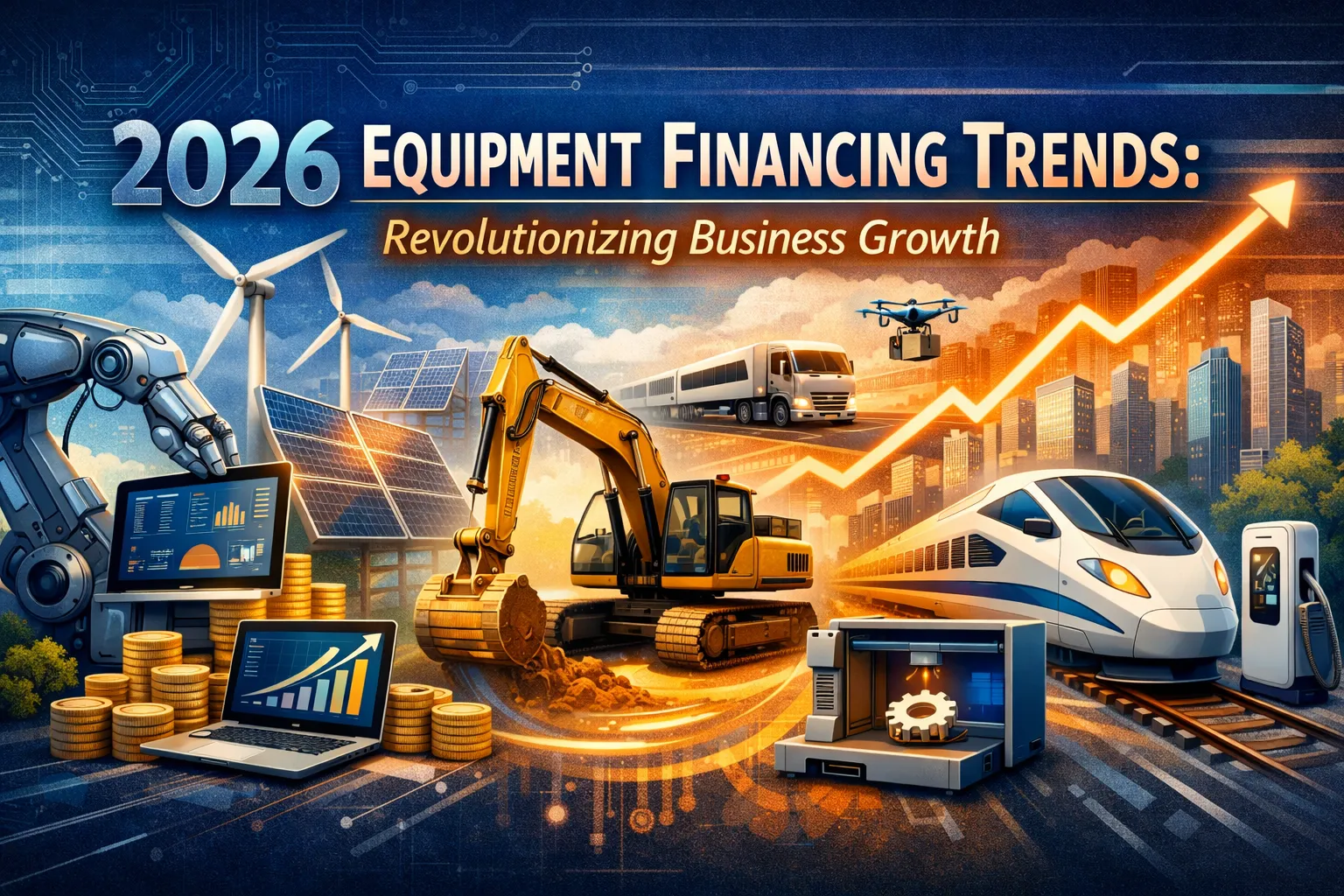
The business world is changing fast. In 2026, equipment financing has become one of the most powerful growth tools available to business owners. It is no longer just a loan or a lease. Today, it is a strategic decision. It helps companies scale, compete, and adopt new technology without draining their cash reserves. Whether you run a construction firm, a healthcare clinic, or a restaurant group, the right financing plan can make a real difference. This guide covers the top equipment financing trends of 2026. It also shows how your business can use them to grow faster and smarter.
1. AI-Powered Credit Decisions Are Speeding Up Approvals
Traditional Lending Was Too Slow
In the past, getting approved for equipment financing took days — sometimes weeks. Lenders reviewed basic credit scores and financial statements manually. As a result, many small businesses were left waiting far too long.
How AI Is Changing the Process
In 2026, AI-driven platforms are transforming the way lenders make decisions. These systems review hundreds of data points in real time. For example, they analyze cash flow trends, payment history, and industry performance.
Because of this, lenders can deliver decisions within hours — not weeks. Furthermore, AI looks beyond just a credit score. It creates a fuller picture of how a business truly operates.
Who Benefits the Most
Small and medium-sized businesses gain the most from this shift. In fact, many companies that were previously rejected by traditional banks can now qualify. The speed and accuracy of AI-based lending is helping more businesses get funded faster.
2. Green Equipment Financing Is Growing Rapidly
Sustainability Has Become a Business Priority
Environmental responsibility is no longer just a buzzword. In 2026, it has become a core part of how businesses operate and grow. As a result, green equipment financing programs are expanding at a rapid pace.
Lenders Offer Better Rates for Eco-Friendly Choices
Many lenders now offer lower interest rates for energy-efficient equipment purchases. For instance, businesses investing in electric vehicles, solar panels, or eco-friendly machinery often receive better loan terms. This makes sustainability a smart financial move — not just an ethical one.
Government Programs Add Even More Value
Government-backed programs are also fueling this trend. Tax credits, grants, and subsidized loans are available for businesses that adopt clean energy equipment. Therefore, combining these incentives with financing can significantly reduce the total cost of going green.
For businesses building a sustainability brand, green equipment financing is a practical way to grow responsibly.
3. Flexible Financing Is Replacing Rigid Loan Structures
One Size No Longer Fits All
Rigid loan structures no longer serve most businesses well. In 2026, lenders compete heavily on flexibility. They now offer payment plans tailored to how a business actually earns and spends money.
Seasonal Plans Help Businesses Stay Cash-Flow Positive
Seasonal businesses benefit greatly from this change. For example, a construction company can make lower payments in winter and higher ones during peak summer months. As a result, cash flow stays stable throughout the year.
Step-Up and Revenue-Based Plans Are Now Common
Step-up payment plans allow startups to begin with smaller payments that grow over time. Similarly, revenue-based financing adjusts monthly repayments based on actual earnings. This approach reduces the risk of default during a slow business period.
In short, flexible financing gives business owners far more control over their financial plans.
4. Equipment-as-a-Service (EaaS) Is on the Rise
What Exactly Is EaaS?
Equipment-as-a-Service — or EaaS — is one of the most important trends of 2026. Instead of buying or leasing equipment outright, businesses pay a monthly subscription fee. That fee typically covers the equipment, maintenance, repairs, and future upgrades.
Why More Businesses Are Making the Switch
EaaS converts a large capital expense into a predictable monthly cost. This brings meaningful tax advantages. Furthermore, it frees up working capital for hiring, marketing, or other growth priorities.
It Eliminates the Obsolescence Problem
In fast-moving industries like healthcare and manufacturing, equipment becomes outdated quickly. Under a traditional ownership model, businesses carry the full cost of replacement. However, with EaaS, upgrading to the newest model is often included in the monthly agreement.
Additionally, lenders and manufacturers are partnering more closely to offer integrated EaaS packages. This makes the model easier to access without complex negotiations.
5. Digital-First Platforms Are Dominating Equipment Lending
The Process Has Gone Fully Online
In 2026, nearly every step of the equipment financing journey happens online. Applying, submitting documents, signing contracts, and receiving funds — all of it is digital. This shift has removed a significant amount of unnecessary friction.
Embedded Finance Is the New Standard
Embedded finance is a major part of this change. It means financing options appear directly within the buying experience. For example, a business browsing equipment on a manufacturer’s website might see tailored financing offers right on the product page.
This convenience speeds up decisions. Moreover, it allows businesses to compare and choose financing options without ever leaving the purchasing platform.
Both Sides Benefit from Going Digital
Digital platforms reduce paperwork and lower costs for lenders. As a result, lenders can often pass those savings to borrowers through better rates and faster service times.
6. Vendor Financing Programs Are Expanding Fast
Vendors Are Becoming Financial Partners
Equipment vendors in 2026 are no longer just selling machines — they are offering financing too. Many manufacturers and distributors now provide in-house lending options directly to their customers. This creates a seamless path from product selection to payment plan.
Buyers Get Real Advantages
For businesses, vendor financing often means simpler applications and faster approvals. Additionally, some vendors offer deferred payment options. This allows a business to start using the equipment — and generating revenue — before the first payment is even due.
For vendors, these programs build stronger long-term customer relationships. Businesses that finance through a vendor are more likely to return for future upgrades and add-ons.
7. Data Analytics Is Transforming Risk Management
Lenders Can Now Spot Problems Early
In 2026, advanced data analytics gives lenders the ability to identify financial trouble before it escalates. By monitoring real-time payment trends and cash flow signals, they can flag at-risk borrowers well in advance.
Proactive Outreach Protects Everyone
As a result, lenders can offer restructuring options or payment deferrals before a default ever occurs. This protects the lender’s portfolio. It also protects the borrower’s credit rating and business reputation.
Stronger Data Means Better Terms for Borrowers
Furthermore, improved risk models give lenders greater confidence in creditworthy applicants. Therefore, strong borrowers often receive more competitive interest rates and more flexible repayment terms than they would have in previous years.
8. Cross-Border Equipment Financing Is More Accessible
International Sourcing Is Easier to Finance Now
Many businesses source equipment from manufacturers in other countries. In 2026, financing those purchases is far simpler than before. Fintech lenders with global networks now offer multi-currency repayment options and streamlined digital documentation.
Smaller Businesses Can Now Compete Globally
Previously, cross-border deals involved long delays and confusing paperwork. However, digital infrastructure has changed that significantly. As a result, even small and mid-sized businesses can now finance international equipment purchases with confidence and clarity.
Frequently Asked Questions (FAQs)
Q1. What is equipment financing and how does it work?
Equipment financing is a loan or lease that helps businesses acquire machinery, vehicles, or technology without paying the full cost upfront. The equipment itself typically serves as collateral. Businesses repay the amount over a set term — usually between 12 and 84 months — while using the equipment to generate revenue.
Q2. What types of equipment can be financed?
Almost any type of business-use equipment can be financed. Common examples include construction machinery, medical devices, kitchen appliances, IT hardware, farm equipment, delivery vehicles, and solar energy systems. If the equipment helps your business run or grow, there is likely a financing option available for it.
Q3. What is the difference between equipment financing and leasing?
With equipment financing, you borrow money to buy the equipment and own it at the end of the term. With leasing, you rent the equipment for a set period and return it afterward. However, some leases include a buyout option. Financing is better for equipment you plan to keep long-term. Leasing is better for tools or tech that need regular updating.
Q4. How does AI improve equipment financing approvals in 2026?
AI reviews hundreds of data points at once — including cash flow patterns, transaction records, and industry trends. As a result, it delivers credit decisions in hours rather than days. Furthermore, it evaluates more than just a credit score. Therefore, businesses with non-traditional financial profiles can qualify more easily than before.
Q5. Can startups qualify for equipment financing in 2026?
Yes, many lenders offer startup-friendly programs. Traditional banks often require two or more years of business history. However, fintech lenders consider personal credit, projected revenue, and the value of the equipment. Some programs are specifically built for businesses under one year old. Starting small and repaying on time is a great way to build business credit.
Q6. What credit score do I need for equipment financing?
Traditional banks typically prefer a score of 680 or above. However, online lenders may approve scores as low as 550 to 600 when other indicators are strong. In 2026, AI-powered lenders often place more weight on cash flow than credit scores alone. As a result, more businesses can access financing than ever before.
Q7. What is EaaS and is it right for my business?
EaaS stands for Equipment-as-a-Service. It is a subscription model where you pay a monthly fee to use equipment. That fee usually covers maintenance, repairs, and future upgrades. It is ideal for businesses in fast-changing industries such as healthcare or technology. Furthermore, it turns a large capital purchase into a manageable, predictable monthly expense.
Q8. Are there tax benefits to equipment financing?
Yes. Under Section 179 of the U.S. tax code, businesses may deduct the full purchase price of qualifying financed equipment in the year they start using it. Bonus depreciation may also apply. Additionally, businesses that finance green equipment may qualify for extra federal or state tax credits. Always consult a tax professional to understand what applies to your specific situation.
Q9. How long does approval take in 2026?
Most AI-powered and digital lenders can approve applications within 24 to 48 hours. Some fintech platforms even offer same-day decisions for smaller loan amounts. Traditional bank applications may still take one to two weeks. To speed up the process, prepare your tax returns, financial statements, and equipment quotes before applying.
Q10. How do I choose the best equipment financing option for my business?
Start by defining what equipment you need, how long you plan to use it, and what monthly payment fits your cash flow. Then compare at least three lenders — including banks, online platforms, and vendor programs. Pay attention to the APR, total repayment cost, and any prepayment penalties. If sustainability matters to your business, ask about green financing options. If flexibility is important, look for lenders that offer customized payment schedules.
Final Thoughts
The equipment financing landscape in 2026 is more accessible, flexible, and technology-driven than ever before. Whether you are a first-time borrower or an experienced business owner, the trends in this guide work in your favor. Do not wait until cash runs low to think about financing. Instead, use it proactively. It is a tool to preserve capital, access the latest equipment, and grow on your own terms.
As AI, green programs, and digital platforms continue to evolve, informed business owners will hold a clear competitive edge. The opportunity is here in 2026. The only question is whether your business will take it.


No comment