
Unlocking Growth: The Future of Equipment Financing in 2026
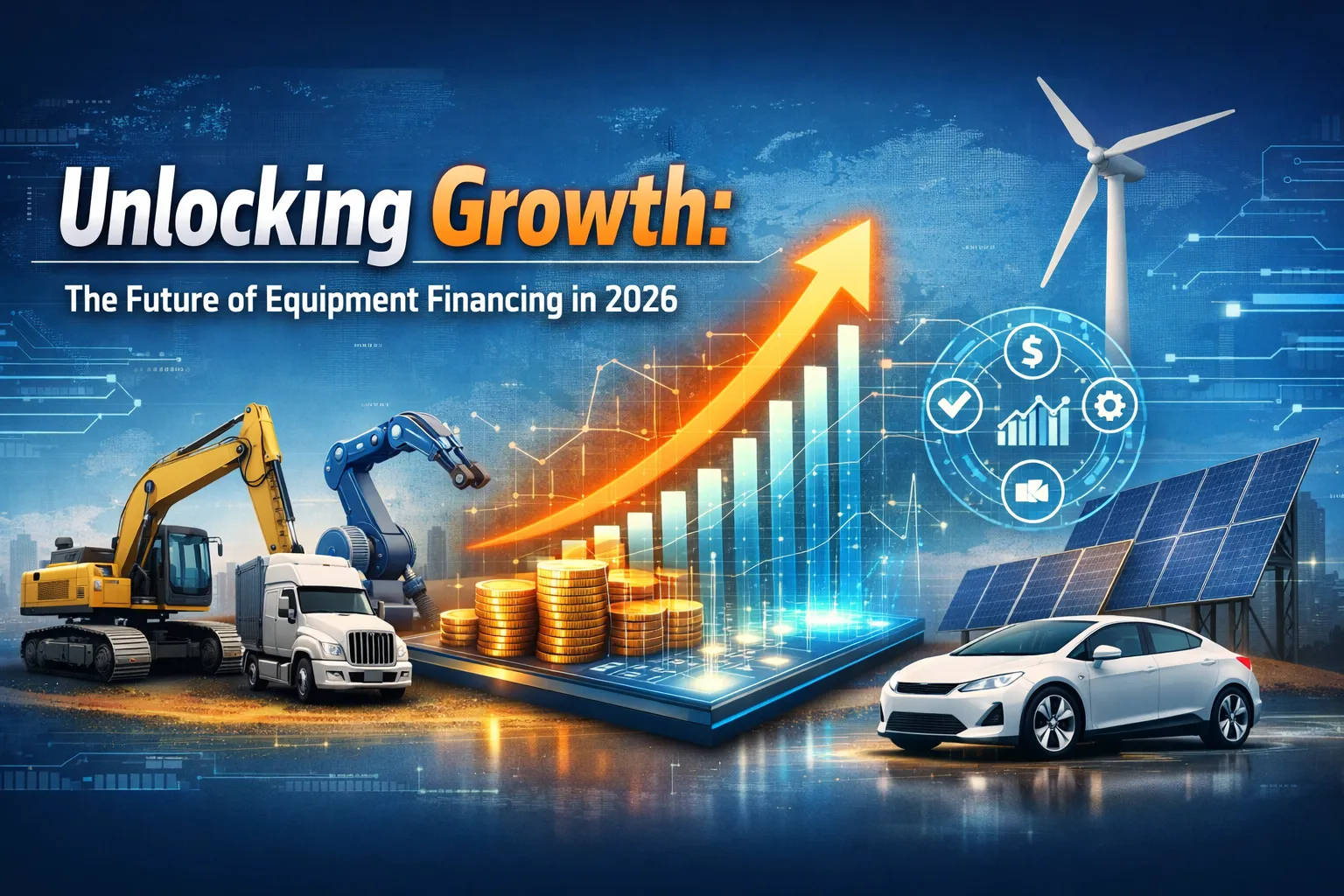
Equipment financing has evolved from a simple lending transaction into a strategic business tool that shapes how companies grow, compete, and innovate. As we navigate through 2026, the landscape of equipment financing is experiencing transformative changes driven by technological advancement, shifting economic conditions, and evolving business priorities. Understanding these dynamics is essential for businesses looking to leverage financing as a catalyst for expansion.
The equipment financing market has reached unprecedented sophistication, offering businesses more options, flexibility, and strategic advantages than ever before. From AI-powered approval processes to sustainability-focused financing programs, the industry is responding to the changing needs of modern enterprises across all sectors.
The Digital Transformation of Equipment Financing
The financing application process has undergone a remarkable digital transformation. Traditional paperwork-heavy procedures that once took weeks now happen in hours through streamlined online platforms. Digital lending platforms utilize advanced algorithms to assess creditworthiness, analyze business performance metrics, and deliver instant pre-approvals.
This technological leap benefits businesses of all sizes, but particularly small and medium-sized enterprises that previously faced barriers to accessing capital. Automated underwriting systems can now evaluate alternative data sources beyond traditional credit scores, including cash flow patterns, industry performance benchmarks, and even social media presence to build comprehensive risk profiles.
Blockchain technology is also emerging as a game-changer in equipment financing, creating transparent, immutable records of ownership and payment histories. Smart contracts automate payment processing and can trigger actions based on predefined conditions, reducing administrative overhead and minimizing disputes.
Flexible Financing Structures for Modern Business Needs
The one-size-fits-all approach to equipment financing has given way to highly customizable solutions. In 2026, businesses can choose from an expanding menu of financing structures designed to align with specific operational needs and cash flow realities.
Seasonal businesses benefit from skip-payment options that align payment schedules with revenue cycles. Technology companies appreciate step-up leases that feature lower initial payments that increase as equipment generates revenue. Meanwhile, businesses in rapidly evolving industries favor frequent upgrade programs that allow technology refreshes without penalty.
Revenue-based financing has gained significant traction, particularly in sectors where equipment directly drives income generation. These arrangements tie payment amounts to business performance, providing breathing room during slower periods while allowing lenders to participate in success during peak times.
Sustainability and Green Equipment Financing
Environmental considerations have moved from peripheral concern to central strategy in equipment financing decisions. Lenders are developing specialized green financing programs that offer preferential terms for energy-efficient equipment, electric vehicles, renewable energy systems, and sustainable manufacturing technology.
These programs often feature lower interest rates, extended repayment terms, and streamlined approval processes as lenders recognize both the environmental imperative and the long-term cost savings associated with efficient equipment. Government incentives and tax credits further sweeten the proposition, making sustainable equipment investments increasingly attractive from a pure financial perspective.
Carbon accounting integration is another emerging trend, with financing platforms beginning to track and report the environmental impact of financed equipment. This transparency helps businesses meet ESG reporting requirements while demonstrating commitment to sustainability goals.
The Rise of Equipment-as-a-Service Models
Traditional ownership paradigms are being challenged by Equipment-as-a-Service (EaaS) models that blur the lines between financing and operational expenses. Rather than purchasing or leasing equipment outright, businesses pay subscription fees for equipment access, with maintenance, upgrades, and eventual replacement included.
This model particularly appeals to industries where technology evolves rapidly or where equipment utilization varies significantly. Construction companies can scale their fleet based on project demands without capital commitment. Healthcare providers can access cutting-edge diagnostic equipment without obsolescence risk. Manufacturing facilities can adopt Industry 4.0 technologies with predictable monthly costs.
EaaS arrangements also shift risk management, as equipment providers retain ownership responsibility and ensure optimal performance throughout the service period. For businesses prioritizing balance sheet flexibility and operational agility over asset ownership, this represents a compelling alternative to traditional financing.
AI and Predictive Analytics in Equipment Decisions
Artificial intelligence is revolutionizing not just the approval process but the entire equipment financing lifecycle. Predictive analytics help businesses make smarter decisions about which equipment to finance, when to upgrade, and how to optimize utilization.
AI-powered platforms can analyze industry trends, technological advancement curves, and business-specific usage patterns to recommend optimal financing strategies. These systems might suggest delaying a purchase if next-generation technology is imminent or recommend accelerated acquisition if market conditions favor early adoption.
For lenders, machine learning algorithms continuously refine risk assessment models, identifying patterns that traditional underwriting might miss. This leads to more accurate pricing, reduced default rates, and the ability to serve previously underserved market segments with confidence.
Embedded Financing and Point-of-Sale Solutions
The separation between equipment purchase and financing arrangement is disappearing. Embedded financing integrates funding directly into the equipment acquisition process, with dealers and manufacturers offering instant financing at the point of sale.
This seamless experience eliminates the friction of separate financing applications and accelerates decision-making. A business can configure equipment specifications and financing terms simultaneously, seeing real-time impact on monthly payments as features are added or removed.
For equipment manufacturers and dealers, embedded financing drives sales by removing financial barriers at the critical decision moment. For businesses, it simplifies procurement and often results in better terms through manufacturer-subsidized rates or preferred lender partnerships.
Cross-Border Equipment Financing Expansion
Globalization continues to expand access to equipment financing across international boundaries. Multi-currency financing options allow businesses to acquire equipment from global suppliers while managing foreign exchange risk effectively.
International lenders are developing expertise in navigating different regulatory environments, customs requirements, and legal frameworks. This enables businesses to source best-in-class equipment regardless of origin while securing financing terms that make economic sense.
Digital documentation and electronic signature capabilities have removed geographic barriers from the financing process itself. A business in one country can secure financing from a lender in another, with the entire transaction occurring electronically in compliance with international standards.
Industry-Specific Financing Solutions
Generic equipment financing is giving way to specialized programs designed around industry-specific needs and challenges. Healthcare equipment financing addresses unique compliance requirements and rapid technological evolution. Construction equipment programs accommodate seasonal cash flow and project-based revenue. Food service financing considers health code requirements and equipment lifespan realities.
These specialized programs feature underwriters with deep industry knowledge who understand equipment value curves, utilization patterns, and risk factors specific to each sector. This expertise translates to better terms, more appropriate structures, and financing that truly supports business operations rather than merely providing capital.
The Role of Alternative Lenders and Fintech
Traditional banks no longer dominate the equipment financing landscape. Alternative lenders and fintech companies have introduced competition, innovation, and accessibility that benefit businesses across the spectrum.
These new players often move faster, embrace technology more readily, and serve markets that traditional institutions overlooked. Peer-to-peer lending platforms connect businesses directly with individual and institutional investors. Specialized equipment financing companies focus on specific asset classes, developing deep expertise that supports better decision-making.
The result is a vibrant, competitive marketplace where businesses can shop for financing terms as readily as they shop for equipment itself, driving down costs and improving service quality across the board.
Preparing Your Business for Equipment Financing in 2026
Success in today’s equipment financing environment requires preparation and strategic thinking. Businesses should maintain clean, organized financial records that facilitate rapid underwriting. Understanding your industry’s financing norms helps set realistic expectations and identify advantageous opportunities.
Building relationships with multiple financing sources creates options and negotiating leverage. Whether working with traditional banks, alternative lenders, or manufacturer financing programs, having established connections streamlines future transactions.
Most importantly, view equipment financing as a strategic tool rather than a necessary evil. The right financing structure can accelerate growth, preserve capital for other opportunities, and provide competitive advantages that extend far beyond the equipment itself.
Conclusion
Equipment financing in 2026 represents far more than a mechanism for acquiring necessary tools. It has evolved into a sophisticated ecosystem of options, technologies, and strategies that empower businesses to grow, compete, and thrive. From AI-powered applications to sustainability-focused programs, from flexible payment structures to equipment-as-a-service models, the choices available reflect the diverse needs of modern enterprises.
Businesses that understand these trends and leverage them strategically position themselves for success in an increasingly competitive marketplace. The future of equipment financing is here, offering unprecedented opportunities for those ready to embrace its potential.


No comment