
Top Equipment Financing Trends to Watch in 2026
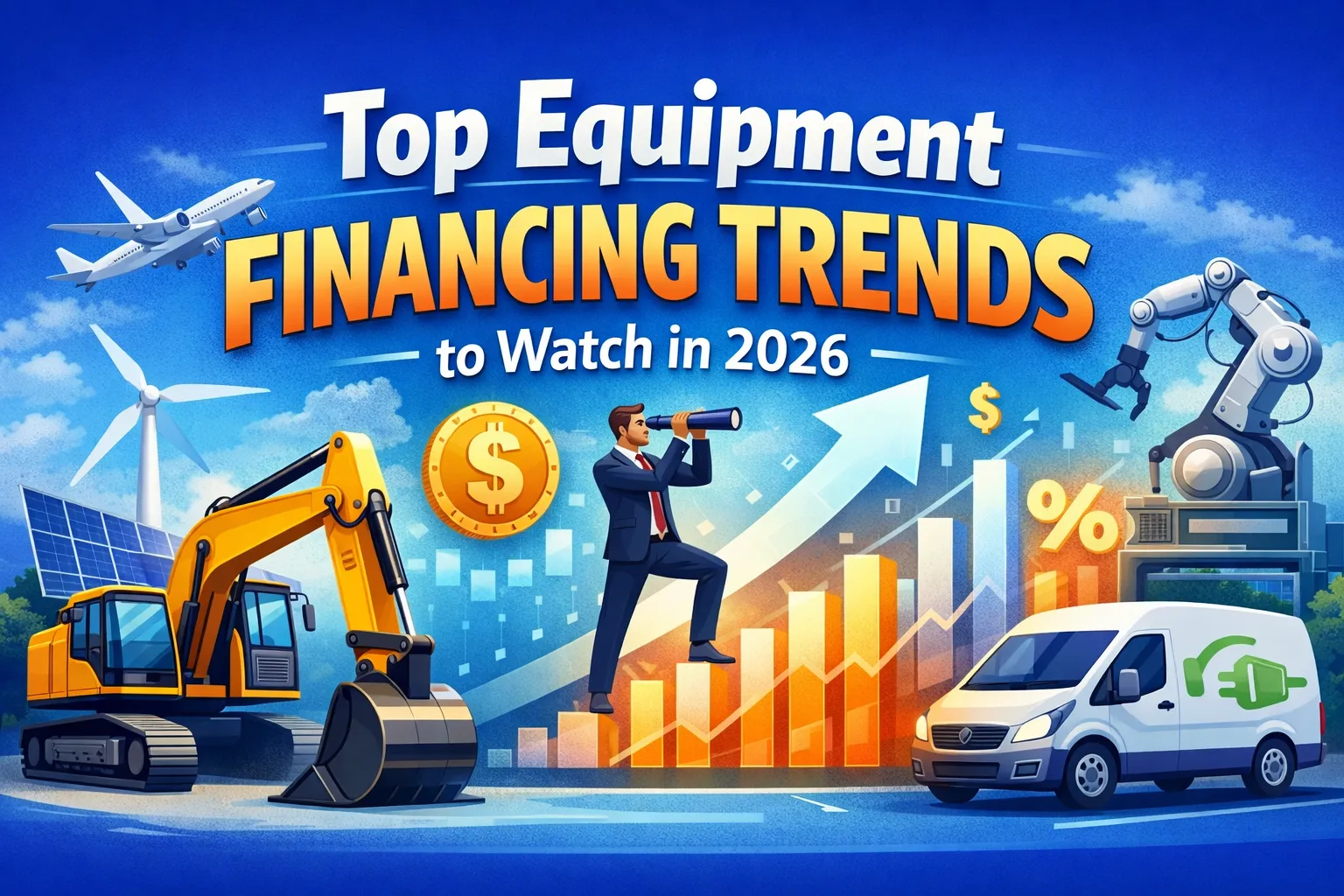
The equipment financing landscape is experiencing unprecedented transformation as we move through 2026. Business owners seeking to acquire essential machinery, vehicles, technology, and operational equipment are discovering new opportunities shaped by technological innovation, evolving lender requirements, and changing economic conditions. Understanding these emerging equipment financing trends 2026 can help you make smarter capital investment decisions and position your business for sustainable growth.
AI-Powered Lending Decisions Accelerate Approval Processes
Artificial intelligence has fundamentally changed how lenders evaluate equipment financing applications in 2026. Traditional approval processes that once required weeks of documentation review and manual underwriting now leverage machine learning algorithms to assess creditworthiness in hours or even minutes.
Modern lending platforms analyze hundreds of data points beyond conventional credit scores, including real-time cash flow patterns, industry performance benchmarks, equipment utilization rates, and predictive business health indicators. This comprehensive analysis enables lenders to make more accurate risk assessments while dramatically reducing approval timelines.
For business owners, this means faster access to capital when opportunities arise. Whether you’re responding to an unexpected equipment failure or capitalizing on a time-sensitive business expansion opportunity, AI-driven approvals provide the speed necessary to maintain competitive advantage.
The technology also benefits businesses with non-traditional credit profiles. AI systems can recognize positive indicators that manual underwriters might overlook, creating financing opportunities for startups, seasonal businesses, and companies in emerging industries.
Flexible Financing Structures Adapt to Business Cycles
The rigid financing terms of previous years are giving way to customizable arrangements that align with actual business performance. Equipment financing trends 2026 prominently feature adaptive payment structures that respond to seasonal fluctuations, industry cycles, and revenue patterns.
Progressive lenders now offer seasonal payment schedules that reduce obligations during slow periods and increase payments during peak revenue months. This approach particularly benefits agricultural businesses, tourism-related industries, construction companies, and retail operations that experience predictable seasonal variations.
Deferred payment options have also gained traction, allowing businesses to delay initial payments until equipment becomes operational and begins generating revenue. This structure reduces the immediate cash flow burden during equipment installation, training, and integration phases.
Additionally, revenue-based financing arrangements tie payment amounts to actual business performance. When revenue increases, payments adjust upward; when business slows, obligations decrease proportionally. This flexibility provides a built-in safety mechanism that protects businesses during economic uncertainty while ensuring lenders receive appropriate returns during growth periods.
Green Equipment Financing Gains Preferential Treatment
Environmental, Social, and Governance (ESG) considerations have moved from corporate talking points to concrete lending criteria in 2026. Lenders increasingly offer preferential rates, extended terms, and reduced down payment requirements for equipment that demonstrates environmental benefits.
Energy-efficient machinery, electric vehicles, renewable energy systems, and equipment with verified sustainability certifications qualify for green financing programs that weren’t widely available just a few years ago. These programs reflect both regulatory encouragement and genuine lender recognition that sustainable equipment often represents lower operational risk.
Businesses investing in electric commercial vehicles, solar-powered systems, energy-efficient manufacturing equipment, or pollution-reduction technology can access financing rates often 50-100 basis points below conventional equipment loans. Government incentive programs at federal and state levels further enhance these benefits through tax credits, accelerated depreciation, and direct subsidies.
The trend extends beyond obvious green technologies. Equipment that reduces waste, improves resource efficiency, or extends product lifecycles through remanufacturing capabilities increasingly qualifies for favorable financing consideration.
Technology Integration Becomes Financing Requirement
Lenders in 2026 increasingly require that financed equipment includes connectivity features and monitoring capabilities. This requirement reflects the broader Internet of Things (IoT) revolution and provides tangible benefits for both businesses and financing companies.
Connected equipment generates operational data that helps lenders monitor asset performance, utilization rates, and maintenance compliance. For businesses, this same technology provides valuable insights into productivity, identifies maintenance needs before failures occur, and optimizes operational efficiency.
Telematics-enabled vehicles, GPS-tracked construction equipment, cloud-connected manufacturing machinery, and remotely monitored medical devices are becoming standard rather than optional. Financing agreements often include provisions requiring businesses to maintain these connectivity features throughout the loan term.
This trend also enables usage-based financing models where payments correlate with actual equipment utilization rather than fixed schedules. Businesses pay more when equipment operates at high capacity and less during underutilization periods, creating natural alignment between expenses and revenue generation.
Alternative Lender Competition Expands Options
Traditional banks no longer dominate the equipment financing market. The equipment financing trends 2026 landscape includes diverse lending sources ranging from specialized equipment finance companies to peer-to-peer platforms, marketplace lenders, and manufacturer-direct financing programs.
This competition benefits businesses through improved terms, faster approvals, and creative financing structures tailored to specific industries and equipment types. Online lending platforms have streamlined application processes, enabling businesses to compare multiple offers simultaneously without damaging credit scores through excessive inquiries.
Manufacturer financing programs have become particularly sophisticated, offering attractive terms to stimulate equipment sales while building ongoing relationships with customers. These programs frequently include deferred interest, bundled maintenance agreements, and upgrade options that traditional lenders cannot match.
The expansion of alternative lenders also provides financing opportunities for businesses that might not qualify through conventional banking channels, including newer companies, businesses with temporary credit challenges, or those in specialized industries underserved by traditional financial institutions.
Equipment-as-a-Service Models Redefine Ownership
The distinction between equipment financing and equipment leasing continues blurring as Equipment-as-a-Service (EaaS) models gain popularity. Rather than purchasing or traditionally financing equipment, businesses increasingly access necessary machinery through comprehensive service agreements that bundle equipment access, maintenance, upgrades, and support into predictable monthly fees.
This approach transforms capital expenditures into operational expenses, preserving credit capacity for other business needs while ensuring access to current technology without obsolescence risk. EaaS arrangements typically include automatic upgrades to newer models, comprehensive maintenance coverage, and the flexibility to scale equipment quantities based on changing business requirements.
Industries embracing EaaS include manufacturing, healthcare, construction, and information technology, where rapid technological advancement can render purchased equipment outdated within years of acquisition. The model particularly appeals to businesses prioritizing cash flow management and technological currency over asset ownership.
Embedded Financing Simplifies Equipment Acquisition
Point-of-sale financing embedded directly into equipment purchasing processes has become standard practice in 2026. Rather than separately arranging financing through external lenders, businesses can now complete entire equipment acquisitions—including financing approval and documentation—through unified platforms offered by equipment dealers and manufacturers.
This integration dramatically simplifies purchasing processes, reduces transaction friction, and accelerates acquisition timelines. Businesses receive instant financing decisions during equipment selection conversations, enabling immediate commitment to purchases without delays for separate financing arrangements.
Embedded financing platforms leverage the same AI-driven underwriting technologies discussed earlier, providing rapid decisions while maintaining appropriate credit standards. The seamless experience benefits both businesses and equipment vendors by reducing abandoned purchases due to financing complexity.
Frequently Asked Questions
What is the biggest change in equipment financing for 2026?
AI-powered lending decisions represent the most significant transformation, reducing approval times from weeks to hours while enabling more accurate risk assessment and expanding financing access for diverse business profiles.
Are interest rates for equipment financing expected to decrease in 2026?
Rates vary based on Federal Reserve policy, creditworthiness, and equipment type, but increased lender competition and specialized programs like green financing create opportunities for favorable rates despite broader economic conditions.
How does green equipment financing work?
Lenders offer preferential rates, extended terms, and reduced down payments for environmentally beneficial equipment including energy-efficient machinery, electric vehicles, and renewable energy systems, often combined with government incentive programs.
What credit score is needed for equipment financing in 2026?
AI-driven underwriting considers factors beyond credit scores, but conventional approvals typically require scores above 650, while alternative lenders may approve businesses with scores as low as 550 depending on other business health indicators.
Is equipment leasing better than financing?
The choice depends on business objectives—financing builds equity and ownership while leasing provides flexibility, predictable expenses, and easier technology upgrades. Equipment-as-a-Service models now offer middle-ground options combining benefits of both approaches.
How quickly can businesses get equipment financing approval?
AI-powered platforms provide decisions within hours or even minutes for straightforward applications, though complex equipment purchases or unique business situations may require additional review time.
What documentation is required for equipment financing applications?
Most lenders require business tax returns, bank statements, financial statements, equipment specifications, and vendor quotes, though requirements vary based on loan amount, equipment type, and lender policies.



No comment