
Top Equipment Financing Trends Every Business Owner Should Know
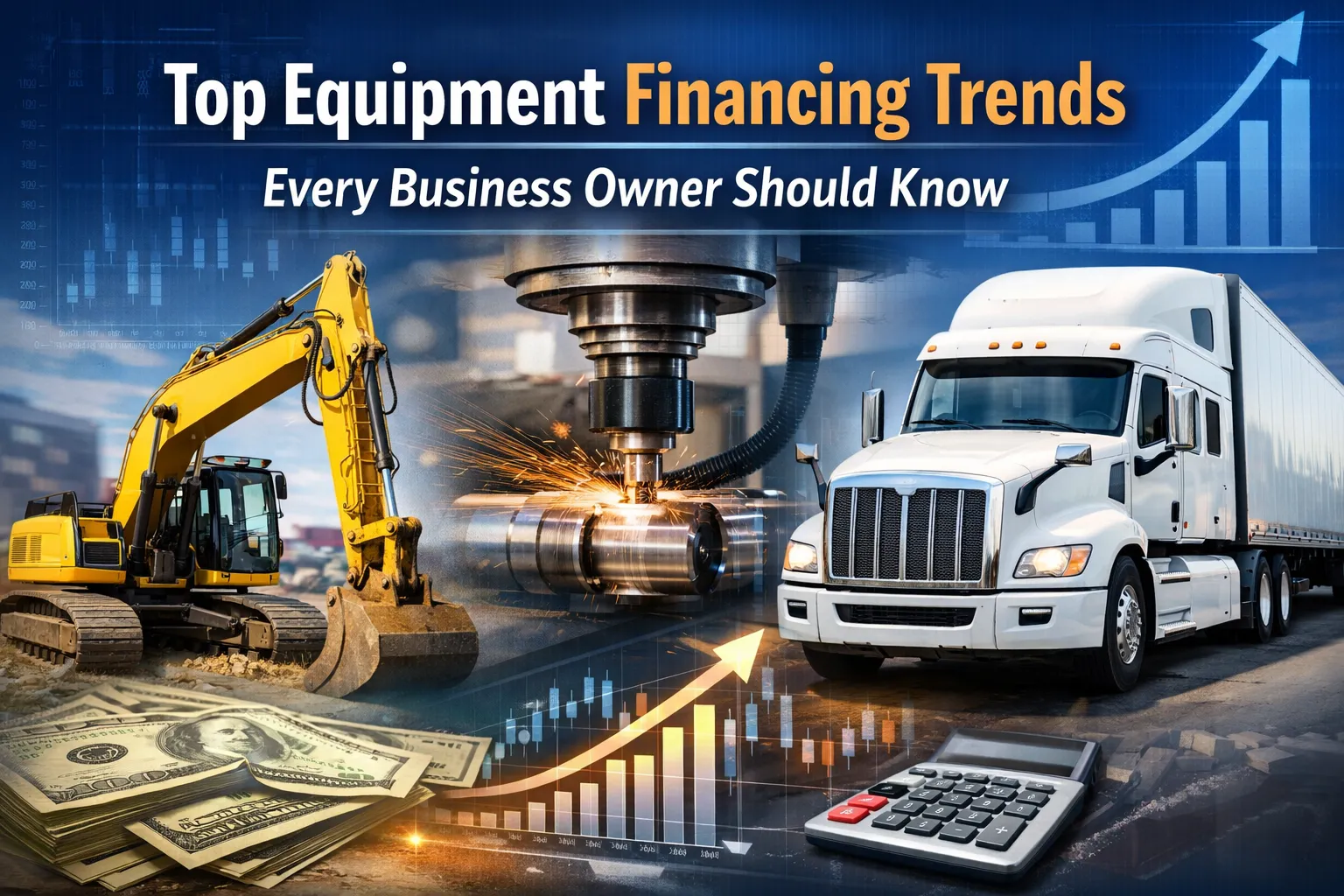
Equipment financing has evolved dramatically in recent years, transforming from traditional bank loans into a diverse ecosystem of funding options designed to meet the unique needs of modern businesses. Whether you’re a startup looking to acquire your first manufacturing equipment or an established company upgrading your technology infrastructure, understanding current financing trends can save you thousands of dollars and position your business for sustainable growth.
The equipment financing landscape in 2025 reflects broader economic shifts, technological advancements, and changing business priorities. From flexible payment structures to AI-powered approval processes, today’s financing options offer unprecedented accessibility and customization. Let’s explore the key trends reshaping how businesses acquire essential equipment.
The Rise of Alternative Lending Platforms
Traditional banks no longer dominate the equipment financing space. Alternative lending platforms have emerged as powerful competitors, offering faster approvals, more flexible terms, and technology-driven underwriting processes that consider factors beyond traditional credit scores.
These digital-first lenders leverage sophisticated algorithms to assess business health, analyzing cash flow patterns, industry trends, and operational metrics to make lending decisions in hours rather than weeks. For business owners, this means accessing capital when opportunities arise without the lengthy documentation requirements that characterized traditional financing.
Fintech companies have democratized equipment financing by creating user-friendly platforms where businesses can compare multiple offers, understand true costs, and complete applications entirely online. This transparency has forced traditional lenders to modernize their processes and become more competitive with rates and terms.
Usage-Based Financing Models Gain Traction
One of the most innovative trends in equipment financing is the shift toward usage-based payment structures. Rather than fixed monthly payments, businesses pay based on how much they actually use the equipment—measured by hours operated, units produced, or revenue generated.
This model particularly benefits seasonal businesses, startups with unpredictable revenue, and companies testing new market segments. Manufacturing companies can align equipment payments with production cycles, while restaurants can match kitchen equipment costs to customer traffic patterns.
Usage-based financing reduces financial risk during slow periods and eliminates the stress of fixed payments when equipment sits idle. Lenders increasingly embrace this model because it aligns their success with business performance, creating true partnerships rather than rigid debtor-creditor relationships.
Green Equipment Financing Incentives
Sustainability has moved from corporate responsibility initiative to business imperative, and equipment financing reflects this shift. Lenders now offer preferential rates, extended terms, and enhanced benefits for businesses investing in energy-efficient, environmentally friendly equipment.
Government programs at federal, state, and local levels provide additional incentives for green equipment purchases. Tax credits, accelerated depreciation schedules, and direct subsidies can significantly reduce the effective cost of sustainable equipment investments.
Beyond financial benefits, green equipment often delivers operational savings through reduced energy consumption, lower maintenance costs, and improved regulatory compliance. Forward-thinking business owners view sustainable equipment financing as a competitive advantage that appeals to environmentally conscious customers while reducing long-term operating expenses.
Equipment-as-a-Service (EaaS) Expansion
The subscription economy has infiltrated equipment financing through Equipment-as-a-Service models that bundle financing, maintenance, upgrades, and support into predictable monthly payments. This trend transforms capital expenditures into operational expenses, improving cash flow management and financial flexibility.
EaaS arrangements typically include automatic equipment upgrades, ensuring businesses always operate with current technology without worrying about obsolescence. Manufacturers and equipment suppliers increasingly offer EaaS options as they recognize recurring revenue benefits and stronger customer relationships.
For business owners, EaaS eliminates the burden of equipment disposal, reduces maintenance headaches, and provides budget certainty. Medical practices, dental offices, construction companies, and technology firms find particular value in models that keep them equipped with the latest tools without large upfront investments.
AI-Driven Credit Decisions and Personalized Terms
Artificial intelligence has revolutionized how lenders evaluate creditworthiness and structure financing offers. Machine learning algorithms analyze thousands of data points to assess risk more accurately than traditional methods, enabling lenders to approve businesses that conventional underwriting might reject.
These AI systems consider industry-specific factors, seasonal patterns, growth trajectories, and operational metrics to create personalized financing packages tailored to individual business situations. Rather than one-size-fits-all terms, businesses receive customized payment schedules, interest rates, and conditions reflecting their unique circumstances.
The technology also speeds approval processes dramatically. What once required weeks of document review and committee meetings now happens in minutes, with businesses receiving instant pre-approvals and same-day funding for qualified applicants.
Flexible Refinancing and Upgrade Options
Modern equipment financing agreements increasingly include built-in flexibility for refinancing and equipment upgrades. Lenders recognize that business needs change, and rigid contracts that made sense at signing may become restrictive as companies grow or pivot.
Progressive financing agreements now include provisions for payment restructuring during economic downturns, acceleration options when business improves, and seamless equipment upgrade paths that don’t require complete contract renegotiation.
This flexibility proves particularly valuable in fast-changing industries where technology evolves rapidly. Businesses can stay competitive without being locked into outdated equipment or punitive early termination penalties that characterized older financing models.
Integration with Business Management Systems
Equipment financing has become increasingly integrated with broader business management software, creating seamless financial ecosystems. Lenders now offer direct connections between financing platforms and accounting software, enterprise resource planning systems, and business intelligence tools.
This integration provides real-time visibility into equipment costs, payment schedules, and asset utilization. Business owners can track equipment ROI, compare financing options within their existing software environment, and automate payment processing without manual data entry.
For companies managing multiple equipment financing agreements, consolidated dashboards provide comprehensive overviews of all obligations, upcoming payments, and refinancing opportunities. This visibility enables more strategic decision-making about equipment investments and capital allocation.
Specialized Industry Financing Programs
Lenders have developed specialized financing programs tailored to specific industries, recognizing that healthcare equipment needs differ dramatically from construction machinery or restaurant technology. These vertical-specific programs offer terms, payment structures, and qualification criteria designed around industry realities.
Medical and dental practices access financing programs that understand revenue cycles, insurance reimbursement patterns, and regulatory requirements. Construction companies find lenders familiar with project-based revenue and seasonal fluctuations. Technology companies receive financing structured around software integration needs and rapid innovation cycles.
Industry specialization means faster approvals because lenders understand your business model, more appropriate terms reflecting actual equipment lifecycles, and relationships with equipment manufacturers that may provide additional benefits or discounts.
Increased Focus on Total Cost of Ownership
Forward-thinking business owners now evaluate equipment financing through total cost of ownership rather than just monthly payments or interest rates. This holistic approach considers maintenance costs, energy consumption, productivity impacts, and eventual disposition expenses.
Lenders increasingly provide total cost analysis tools that help businesses compare financing options based on comprehensive financial impact rather than simple payment amounts. These tools reveal that lower monthly payments sometimes mask higher long-term costs, while slightly higher payments might deliver better overall value.
Smart financing decisions now factor in equipment reliability, vendor support quality, training requirements, and integration costs alongside pure financing terms. This comprehensive evaluation ensures businesses make equipment investments that genuinely support growth rather than just fitting within immediate budgets.
Frequently Asked Questions
What credit score do I need for equipment financing?
Equipment financing requirements vary significantly by lender and equipment type. Traditional banks typically require credit scores above 680, while alternative lenders may approve businesses with scores as low as 550. Equipment itself often serves as collateral, allowing approval for businesses with imperfect credit. Many lenders now emphasize cash flow and business performance over credit scores alone, making financing accessible to newer businesses with limited credit history.
How quickly can I get approved for equipment financing?
Modern equipment financing leverages technology to dramatically accelerate approval processes. Alternative lenders and fintech platforms often provide instant pre-approvals and decisions within 24 hours. Traditional banks may require 1-3 weeks for complex applications. Same-day funding is increasingly common for well-qualified businesses with straightforward equipment purchases. The key is having financial documentation readily available and working with lenders experienced in your industry.
What’s the difference between equipment loans and equipment leases?
Equipment loans provide ownership upon full payment and allow businesses to depreciate assets for tax benefits, while leases function more like long-term rentals where the lender retains ownership. Loans typically require larger down payments but build business equity. Leases offer lower monthly payments and easier upgrades but don’t build asset value. Your choice depends on equipment lifecycle, tax strategy, and whether eventual ownership matters for your business model.
Can I finance used equipment or only new purchases?
Most lenders finance both new and used equipment, though terms may differ. Used equipment financing typically requires larger down payments and may carry higher interest rates due to perceived greater risk. Equipment age, condition, and remaining useful life significantly impact approval and terms. Specialized lenders focus specifically on used equipment markets and may offer competitive terms for quality pre-owned assets in industries where equipment longevity is established.
What happens if my business struggles to make equipment payments?
Reputable lenders increasingly work with businesses experiencing temporary difficulties rather than immediately repossessing equipment. Many agreements now include hardship provisions allowing payment deferment, restructuring, or temporary reduced payments. Proactive communication with your lender at the first sign of payment difficulties typically yields better outcomes than avoiding the situation. Some usage-based financing models automatically adjust during slow periods, providing built-in flexibility for revenue fluctuations.

No comment